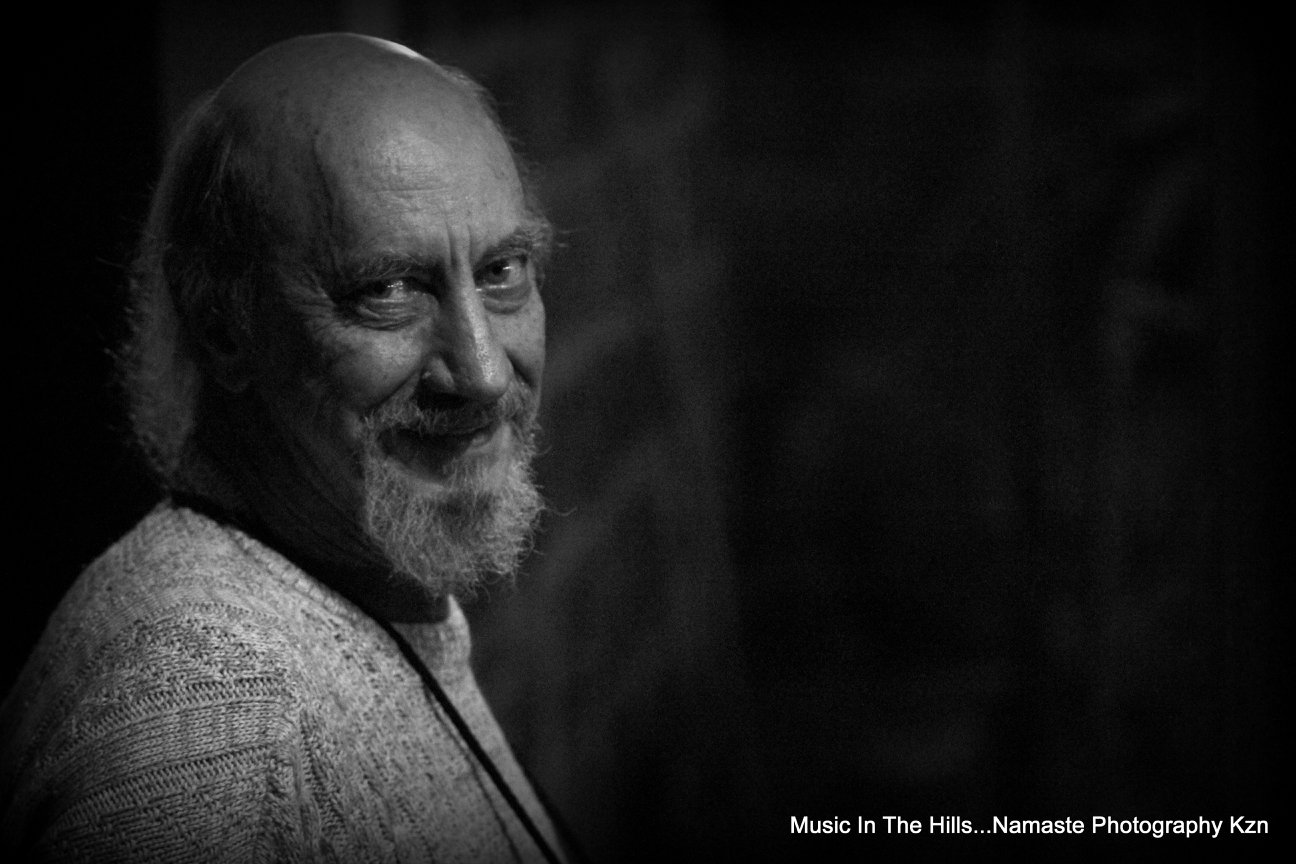
I notice, as I get older, that the real measure of a man is marked out when he dies. If you were kind in your life, that reflects in what people say about you once you’re no longer around. If you were a real %$*&!@ then likewise, that will be your legacy in the conversations people have about you.
I met Barry Meintjies when I was 13 years old. His son and I were playing music together in his studio one afternoon when the door opened and “the Captain” poked his head in.
“Grunge!” he exclaimed as he recognized our effort at a Nirvana cover. He was nursing his go-to beverage on a Friday afternoon, and I immediately likened him to some kind of mischievous pirate. He looked older than the other dads in our year group – bald, tanned and fronted with a real pirate goatee.
I stood up from behind the drumkit to greet him and introduce myself, but he was less interested in my youthful diffidence and more interested in what he had heard. “Try stepping the lick to the G sharp in the middle of that line,” he said to his son, humming and mimicking the riff with his guitar hands. “That will link in with this drumbeat.”
He looked at me and said, “Do you like hard rock?”
“Yes sir,” I said nervously, unsure of what his reaction would be. (Most adults usually went down the “In-MY-day-music-was-better” route.)
“Hit those pig skins a bit harder then,” he encouraged gently. “We want to hear the ring of the toms and snare with music like this.”
I nearly fell over. A dad who understood his kid’s music! What a find! I was instantly drawn to him.
It was about a year later that Barry’s wife died. All I recall at the age of 14 was walking into school one day and Jason (his son) sitting quietly at the back of the classroom, being consoled by some of our other friends. I asked someone else in the class what was wrong. “His mom was murdered over the weekend.” It was my first encounter with the reality of violent South African crime, and I remember thinking: “What will become of these men? How will they react?”
It was years later that I found myself back in Barry’s studio with our youth group band Pulse. It was my first stint in a recording studio, and the first time I had seen Barry since all those years before. He was still smiling and full of quips.
And as I think back on it now, he was incredibly gracious and kind to us young whippersnappers, as everyone else who knew him will attest. He had a deep sense of humanity that was not immediately apparent to me but became more obvious over the years. In my own life he was encouraging and insightful, and full of wisdom if you asked the right questions.
Barry and I would cross paths often in the ensuing years, as I endeavoured to make my way as a travelling minstrel around the midlands. On many occasions I would bump into him at festivals or combined shows and we would have a fat chat about the state of the nation, the state of music and the state of ourselves. He was interested in me, like he was in everyone else, and was always encouraging of whatever I wanted to do.
I have yet to hear anyone speak badly of him. And that’s the measure of this man.
In 2011, the RCB won an international songwriting competition, and I was heading to Barcelona as a result. Barry and I were chatting, and he offered some sage advice: “You pronounce it ‘gra-THE-as’ in the Catalonian towns,” he said, and gave the explanation.
“How do you know this stuff?” I asked him.
He smiled, his eyes twinkling mischievously. I thought he’d say from travelling as a pirate and drinking rum, but I never found out. All I know is that “knowing stuff” seemed to be Barry’s gift.