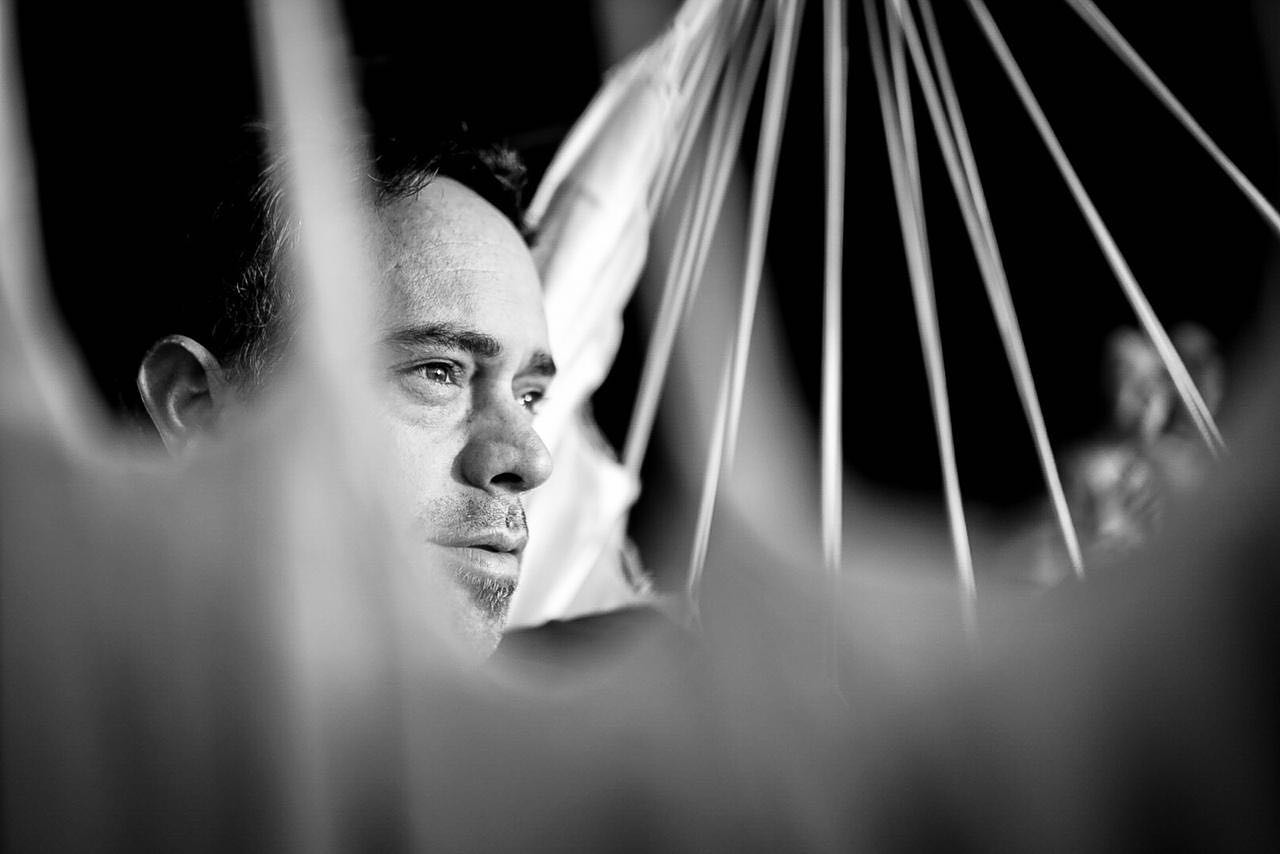
When On The Edge was finished in 2010, it felt like the start of something.
The Ryan Calder Band (RCB) had built a loyal following. The name had found its place on festival lineups, theatre posters, and community events. We were a proper band, not just a guy with a guitar and a dream. And I was intent on making our live shows something memorable — no matter how little time, money, or resources we had to work with.
As always, Rudi, Jon, and Roberto were game for it all. Late-night rehearsals, last-minute gigs, and ambitious ideas that defied our collective exhaustion — they were there.
Tamlyn was supportive too. Always has been. But by this point, the reality of “putting ourselves out there” had taken a toll. We were parents to young children, hustling constantly to pay the bills, and on top of that, I was still asking her to lend her voice — quite literally — to dreams that, let’s face it, were beginning to feel like hard work with very little reprieve.
Some audiences were incredible. Those were the nights that made everything worth it — the crowd sang back, the energy was electric, and for a few hours, life’s chaos faded into the background.
But then there were the other gigs.
The ones where you wondered why you’d left the house.
The ones where people threw things at us on stage.
One particular gig, Tamlyn got hit square in the head by a flying object from the crowd. We laughed it off (because what else do you do in the moment?), but beneath the humour was a creeping sense of wear and tear. Not just physical — though that was part of it — but emotional wear. The slow grind of hustling for an art form that wasn’t paying the rent and didn’t always feel welcome.
I started to understand how bands stop. It’s not usually one dramatic fallout. It’s the slow erosion of energy, the shifting tides of life, and the growing realisation that time and resources aren’t as free-flowing as they used to be.
A New Job, A New Season, Same Old Dreams
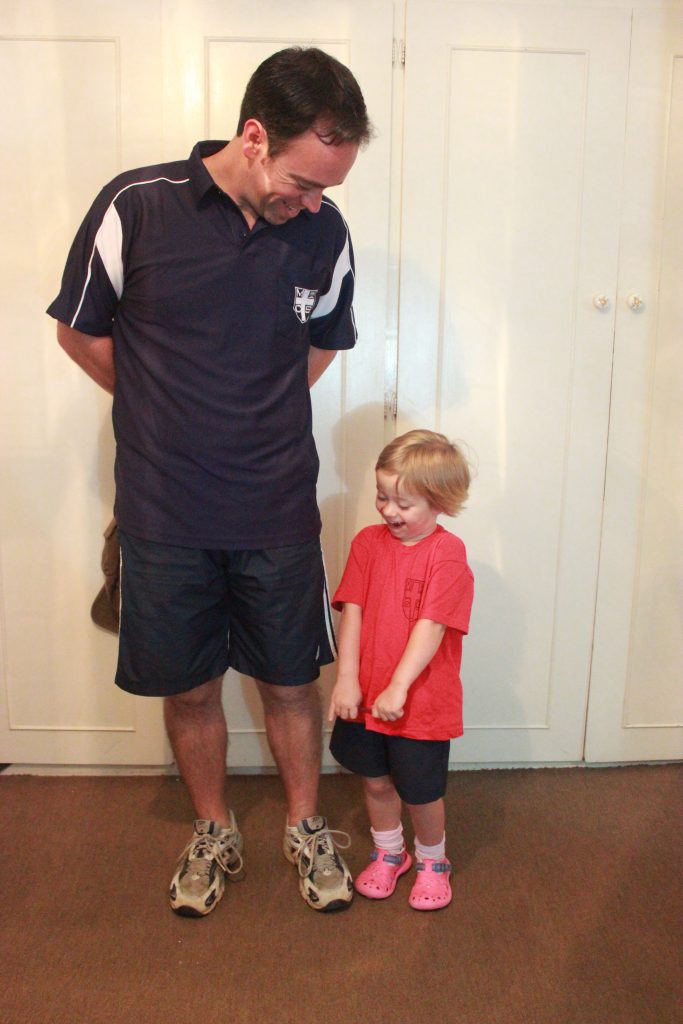
Somewhere in the middle of this, I changed careers. I left journalism — the life of constant deadlines and late-night municipal meetings — and became a junior primary teacher. Specifically, a sports coordinator at a local Christian school. One of the main reasons was that it would allow me more time with my kids.
It was a demanding job in a completely different way.
The hours were technically fewer, but more intense. Anyone who has taught small children will tell you: there’s no tired quite like “end-of-the-week-teacher tired.” It’s a bone-deep exhaustion that makes the thought of loading gear into a car for a gig almost laughable.
And yet, the music wouldn’t leave me alone.
No matter how tired I was, the itch to write, to create, to make something — it was always there. Some days, it felt like a blessing. Other days, it felt like an annoying relative who wouldn’t leave. But it was constant.
The Sting Documentary That Gave Me a Clue
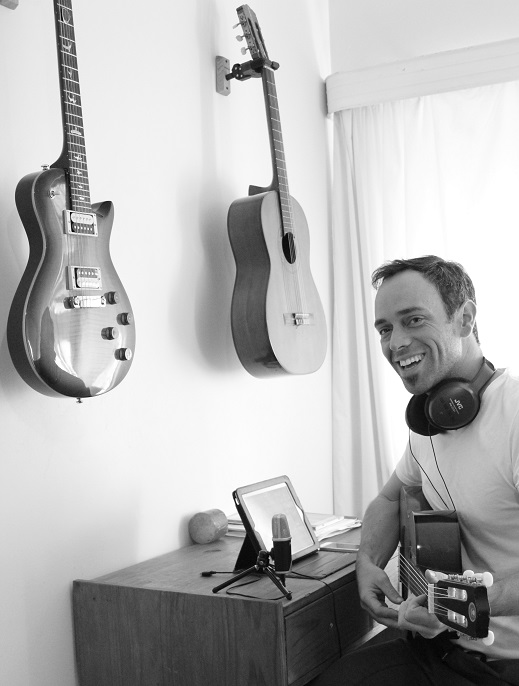
Somewhere in that period of life, I watched Sting’s All This Time documentary. In it, he talks about recording in his home studio, with his family around him, and how that setup allowed him to be productive in both life and music. He wasn’t caught between two worlds — he integrated them.
That felt like the missing puzzle piece.
I didn’t have the means for a fancy studio, but I realised: I didn’t need one. The technology was shifting. The iPad and iPhone were revolutionising how music could be made. All I had to do was figure out how to get my hands on the right tools and find time to use them.
The new dream became simple: scrounge together enough money to buy an iPad. If I could do that, then when inspiration hit in the lounge, or during a quiet moment in the bedroom, I could press record. No more waiting for studio time, no more “one day when I have the setup”. It was about being ready in the moments I had.
Life Moves On (Whether You’re Ready or Not)
As the years rolled by, life continued its relentless forward march.
Rudi transitioned into a new season of grandparenthood. Roberto and I found ourselves deep in the trenches of mortgages, school fees, and growing families. Jon was in Cape Town, building his career and family life. The RCB performed less and less as each year passed.
But the music, for me, never stopped.
It just slowed down.
The songwriting process became more reflective. It wasn’t the frantic, adrenaline-fuelled burst of earlier years. It was quieter, slower, more… conversational. I found myself asking bigger, heavier questions. The kind of existential musings that creep into your mind at 2 AM when you’re changing a nappy or wondering how to pay the next bill.
Songs still came. Not as quickly. Not as loudly. But they came.
And when they did, I’d pick up my iPad, sit on the lounge floor, and press record. No fancy setups. Just the raw idea in its moment.
The Great Deep Wasn’t Planned — It Happened
Over the next few years, something unexpected began to unfold.
Those random recordings, those late-night lyrical scribbles, those “I’ll just play this quickly” ideas — they started to form a body of work. Slowly, quietly, without me realising it, The Great Deep was happening.
It wasn’t an album with a deadline. There was no pressure. No label. No external expectations. Just songs, arriving when they wanted to, shaped by the seasons of life we were living.
Where Better Days and On The Edge were born out of youthful optimism and grit, The Great Deep felt different. It wasn’t trying to prove anything. It wasn’t fighting for attention. It was a collection of songs asking bigger questions — about faith, about doubt, about the complexities of family, career, and dreams that refuse to die even when life gets overwhelming.
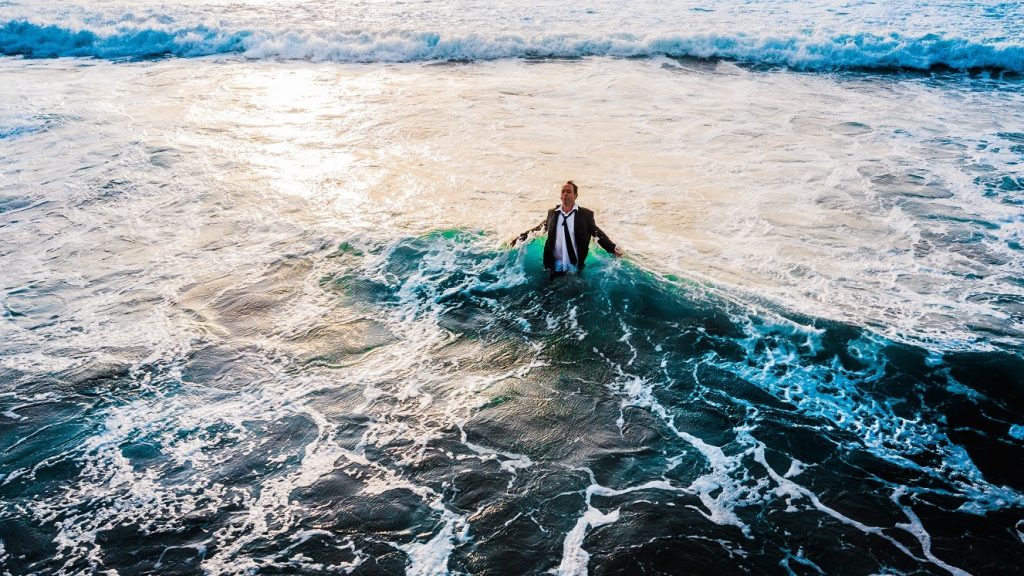
Sometimes as a husband and father you feel like you’re not fully in control. The world and life has a way of making us feel weightless at the best and worst of times. And that’s what was explored in this album.
Looking Back: The Decade That Built More Than Just Music
Looking back, that decade-long gap between albums wasn’t a gap at all. It was a building process.It was the slow, sometimes frustrating, but deeply important work of becoming a husband, a father, a provider — and finding ways to keep the creative flame alive amidst it all. It taught me patience. It taught me humility. It taught me that music isn’t about constant output. It’s about truthful output.